Perfume, clay, and floral water: the art of Moroccan skincare
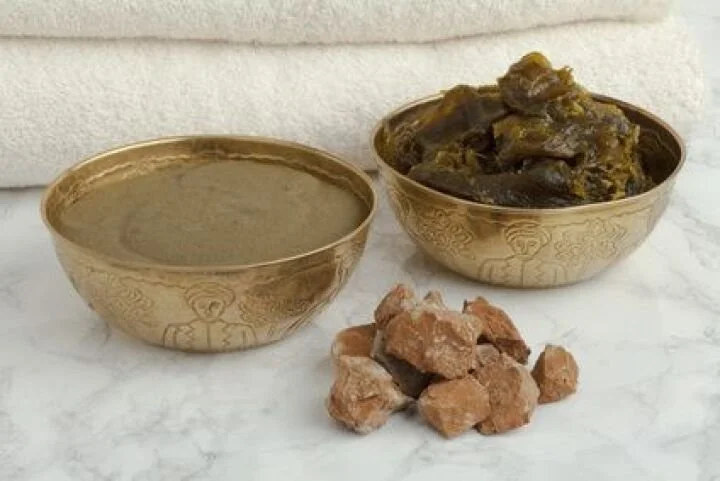
Rhassoul clay, beldi soap, for hammam treatments
Perfume, clay, and floral water: the art of Moroccan skincare
In Morocco, self-care is not a consumerist act—it is a legacy. In the medina of Fez, beauty is passed down like a family recipe, using simple ingredients, slow, deliberate movements, and a sense of ritual that spans the centuries. Three ingredients say a lot about this art of self-care: clay, floral water, and perfume.
Clay: Rhassoul, or the Art of Purification
Rhassoul (or ghassoul, from the Arabic ghassala, meaning “to wash”) is a mineral clay mined in the mountains of Morocco, particularly in the Missour region. Oily, gentle, and rich in minerals, it is washed, dried, and sometimes scented with flowers or herbs before being mixed with a little water or floral water.
At the hammam, it is applied to the skin and hair. It cleanses without drying out the skin, leaving it supple and the hair light. It is one of the oldest traditions of the Moroccan bath, often used in combination with beldi black soap and the kessa glove, which removes dead skin cells.
Floral Water: Rose and Orange Blossom
While clay purifies, floral water soothes. The two most iconic are rose water and orange blossom water.
Rose water comes largely from the Dades Valley, around Kelaat M'Gouna, where roses are picked at dawn in the spring and then distilled. Orange blossom water, made from the flowers of bitter orange trees, has always been a part of daily life in the homes of Fez, where the orange tree is a near-constant presence in the inner courtyard.
You see them everywhere: sprayed on the face to refresh the skin, poured onto a guest’s hands as a gesture of welcome, or used to scent a pastry or a cup of tea. Floral water is as much a skincare product as it is a form of hospitality.
Fragrance: incense, amber, musk
Moroccan perfume is all about blending. In the souk of the attarines, perfumers and herbalists create blends of incense and resins (bkhour), amber, musk, wood, and essential oils. These blends are burned to fragrance the home before guests arrive, used to scent clothing, and given as gifts for holidays and weddings.
The word “attar,” which refers to a perfumer and herbalist, is also the source of this neighborhood’s name: it evokes not only a profession but also a way of working with the plants, resins, and oils found throughout Moroccan skincare.
The art of care—not just products
What is striking about Moroccan tradition is that these three elements form a whole. One applies perfume after washing with clay, refreshes the skin with rose water, and welcomes guests with orange blossom water. The movements, the order, and the time taken are just as important as the ingredients.
It is this ritual aspect that makes Moroccan skincare a living heritage, one that the artisans of the medina continue to practice and pass down.
For Travelers: How to Choose Wisely in the Medina
• Choose stores where you're allowed to smell, touch, and ask questions: a good artisan enjoys explaining where their materials come from.
• Ask about the source of the rhassoul and rose water, and choose products without added synthetic fragrances.
• Store floral waters away from light and heat.
• Take your time: the best way to discover these traditions is to wander through the narrow streets, stop, taste, and smell.
If you’re staying in Fez, let yourself be guided by these simple rituals: a hammam, a visit to the herbalist, and a cup of orange blossom tea on the patio. It is there, in the everyday life of the medina’s homes, that the art of Moroccan self-care is best understood.
Plants and Ethnobotany in Fez: The Millennia-Old Knowledge of the Medina
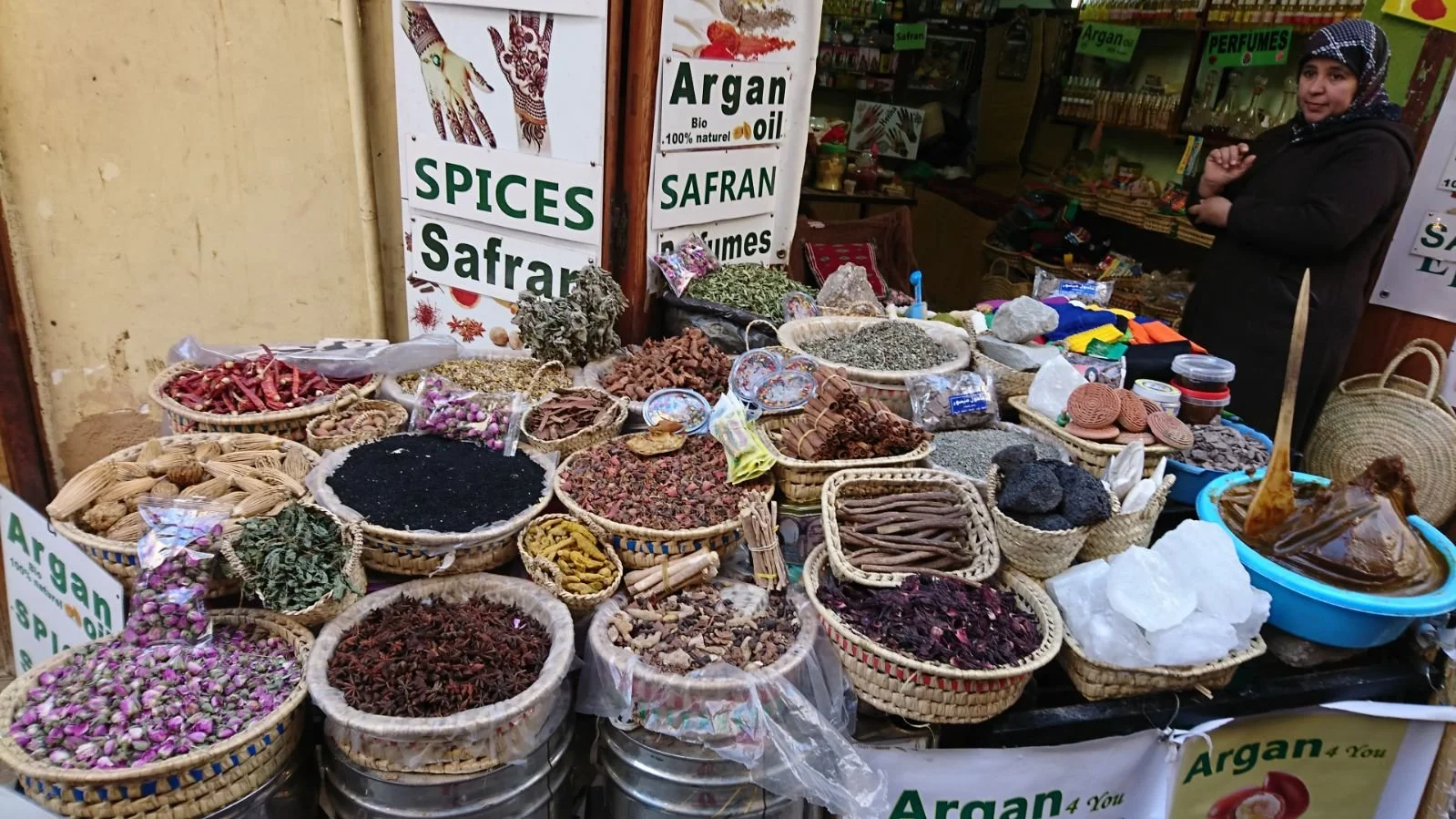
Herbalist's shop in the medina of Fez, featuring dried plants and bulk spices
All it takes is stepping through the door of an herbalist’s shop in a quiet alleyway of the Fes medina to enter a whole new world. Canvas sacks spilling over with piles of dried plants, jars of fragrant resins, stacked piles of clay powder, and scents blending rose, amber, and thyme: this scene, virtually unchanged for generations, tells another story of the city—one of knowledge about plants as ancient as its monuments.
A city where plants are passed down just like knowledge
Fez has never separated physical well-being from scholarship. The city that gave birth to Al-Quaraouiyine University, one of the oldest in the world, has also long been a center of scholarly pharmacology, where medicine, botany, and spirituality enriched one another. This dual tradition—both scholarly and folk—eventually converged in the neighborhood herbalist’s shop, known here as the attar. Even today, an ethnobotanical study conducted in the city has shown that about three out of four Fassi residents continue to turn first to herbal remedies for treatment before considering a pharmacy—a sign that this knowledge is far from being a thing of the past: it still shapes daily life.
In the attar shop
The craft of an attar cannot be learned from a book. It is passed down in the shop, from parent to child, who watches as the parent weighs, mixes, and offers advice. Mohamed Darkaoui, whose family has run a shop in the Souk el-Attarine since the 1970s, likes to sum up what he was taught this way: a plant isn’t sold as just a product; it comes with advice—for whom, when, and how. Every plant, as they say in the trade, has its own nature. It is this relationship of trust, more than the merchandise itself, that defines the value of a true Medina herbalist.
Everyday Vocabulary: Herbal Teas and Seasonal Remedies
In Fassian homes, a handful of plants are used time and again depending on the season and for treating everyday ailments: mint (nana) for tea and digestion, thyme (za’atar) and eucalyptus for winter colds, verbena (louiza) and chamomile to soothe in the evening, rosemary to invigorate, and mugwort (chiba) for strong herbal teas during the cold season. There’s nothing spectacular about this list—and that’s precisely what makes it a living heritage: simple gestures, repeated without a second thought, that connect every Fassi household to centuries of folk medicine.
Flowers, Resins, and Fragrances: The Other Side of the Pharmacopoeia
Alongside everyday plants, a whole range of more precious items holds a special place in the stalls of the medina: dried roses from Kelaat M’Gouna, orange blossom (zhar) distilled to flavor teas and pastries, saffron from Taliouine, and even amber and benzoin, burned into small embers to perfume a room before a celebration. These ingredients, long reserved for special occasions—weddings, births, henna ceremonies—represent a different use of plants: no longer for healing, but for beautification and honor. It is this cosmetic and sensory aspect of the herbalist tradition that we have been exploring for several months at Dar 7 Louyat, alongside the artisans and herbalists with whom we have built relationships based on trust.
Our Practical Tips
• Choose a shop where plants are sold in bulk and have a strong scent and vibrant color—be wary of pre-packaged bags intended for tourists.
• Don't hesitate to ask about a plant's traditional uses before buying it: a good herbalist always takes the time to offer advice.
• Certain resins and powders (ghassoul, henna, amber) do not store well in humid conditions: ask how to store them once you get home.
• Just ask us: we can put you in direct contact with the herbalist we know near the souk, without any tourist detours.
At Dar 7 Louyat, this partnership with the herbalists and plant gatherers of the medina continues to take shape, month after month. New projects, designed around this knowledge of plants and healing, will emerge in the coming months—we’ll have the opportunity to revisit them then. In the meantime, the best way to discover them is still to walk up to a discreet little shop once you’re there and take the time to have a conversation.
Sources consulted for this article
Mohamed Darkaoui and the Souk el-Attarine — luxe-infinity-maroc.com. An Ethnobotanical Study of Medicinal and Aromatic Plants in Fez — Phytotherapy (Springer, 2015).
The Moroccan Hammam: A Ritual of Civilization
A ritual, not just a shower
The Moroccan Hammam: A Ritual of Civilization
In Fez, all you have to do is step inside a neighborhood hammam to step back in time. The steam, the dim light, the muffled sound of water being poured from a bucket—this timeless setting tells a story that dates back more than a thousand years, the story of a people who have turned bathing into a way of life.
A legacy of the Roman baths, adopted and then transformed by Islamic civilization, the hammam has established itself in Moroccan medinas as a place unlike any other: neither entirely sacred nor entirely secular. People go there to purify their bodies before major prayers, before a wedding, or before a birth. It’s also a place to meet neighbors, exchange neighborhood news, and pass down, from mother to daughter, the techniques of an ancestral craft.
A ritual, not just a shower
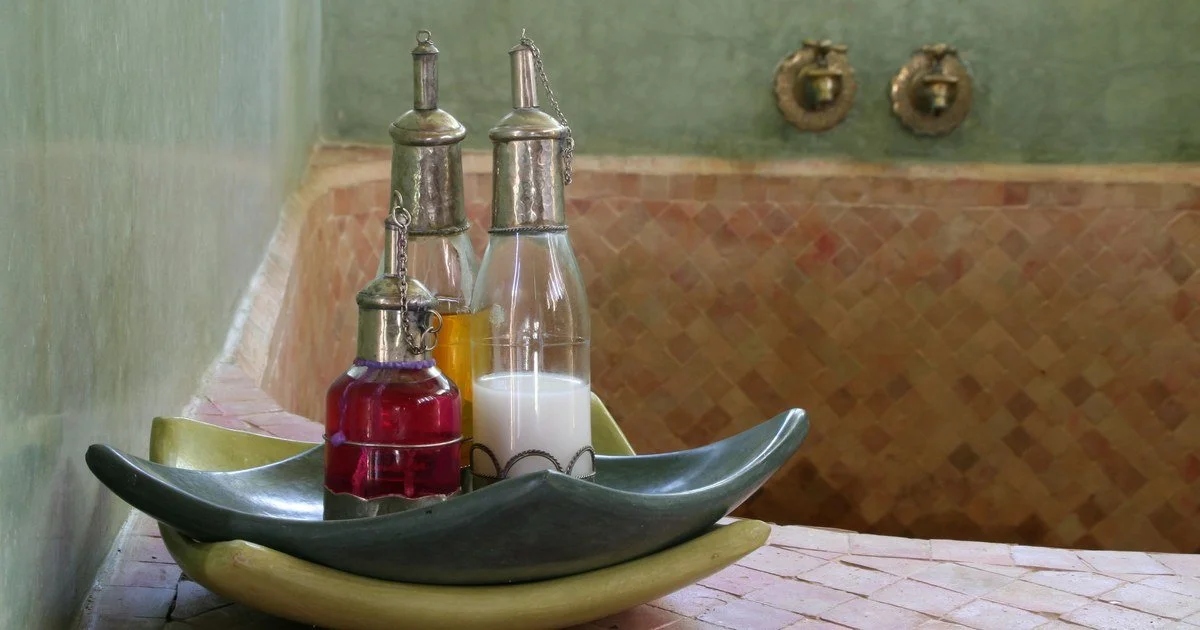
The Moroccan hammam is about more than just washing. It’s a step-by-step process: the warm room to prepare the body, the hot room to open the pores, then exfoliation with a kessa glove—that rough fabric that removes dead skin in waves and reveals fresh, new skin. Next comes beldi black soap, made from black olive pulp, which is applied in a thick layer and then rinsed off with hot water. Ghassoul, a volcanic clay harvested from the Middle Atlas Mountains, concludes the ritual by deeply purifying and nourishing the skin and hair.
Each of these steps follows a precise sequence, passed down orally for generations. Nothing is left to chance: not the water temperature, not the order of the rooms, and not the way the glove is held.
A place of fellowship and spirituality
In Muslim tradition, the body is considered a trust bestowed by God, one that must be honored and cared for. This spiritual dimension explains why the hammam plays such a central role before major life events. But beyond the religious ritual, it is also a deeply social space: in the medinas, the neighborhood hammam remains one of the few places where women can gather among themselves, away from prying eyes, for a few hours of respite.
In Fez, this tradition is still alive and well. The historic hammams of the medina, often located next to a mosque or a public fountain, continue to welcome locals throughout the seasons and during holidays.
At Dar 7 Louyat, we are committed to bringing this heritage to life in ways that go beyond a simple postcard. For several months now, we have been working with local artisans and experts—soap makers, herbalists, and plant gatherers from the medina—to design new spaces dedicated to this ancient ritual, staying true to its original spirit. We’ll share more details soon.
In the meantime, if you're staying in Fez, treat yourself to an hour at a traditional neighborhood hammam rather than a sterile hotel spa: it's there, amid the steam and the clatter of buckets, that the heart of the city beats.
Artisans of the Medina of Fez: Encounters and Craftsmanship
Fes isn’t just a city to visit—it’s a city to watch at work. In the labyrinth of its UNESCO-listed medina, hundreds of artisans carry on traditions passed down through generations: weaving, pottery, leatherwork, cabinetmaking, and herbalism. From Dar 7 Louyat, just a stone’s throw from Seffarine Square, you can easily discover them.
Introduction
Fez isn’t just a city to visit—it’s a city to watch at work. In the labyrinth of its UNESCO-listed medina, hundreds of artisans carry on traditions passed down through generations: weaving, pottery, leatherwork, cabinetmaking, and herbalism. From Dar 7 Louyat, just a stone’s throw from Seffarine Square, we’ve forged personal bonds with many of them over the years. Here are a few encounters we love to share with our guests, far from the tourist shops.
The Copper Smiths of Place Seffarine
It’s impossible to talk about Fassi craftsmanship without starting with Seffarine Square, just two minutes from the house. The sound of copper and bronze being hammered echoes there from morning to night: coppersmiths shape trays, teapots, and basins using techniques that have remained unchanged for centuries. Stopping for just ten minutes to watch a craftsman at work is enough to gain some insight into the soul of the city.
A master weaver who thinks outside the box
We regularly take our guests to visit a master weaver whom we know personally, renowned far beyond Morocco’s borders for the exquisite craftsmanship of his cactus silk and wool pieces. His workshop, unassuming and without a sign, isn’t featured on any standard tourist itinerary. There, you’ll discover traditional looms, natural dyes, and, above all, the patience required for each piece—sometimes several weeks of work for a single scarf.
Potters and Ceramists
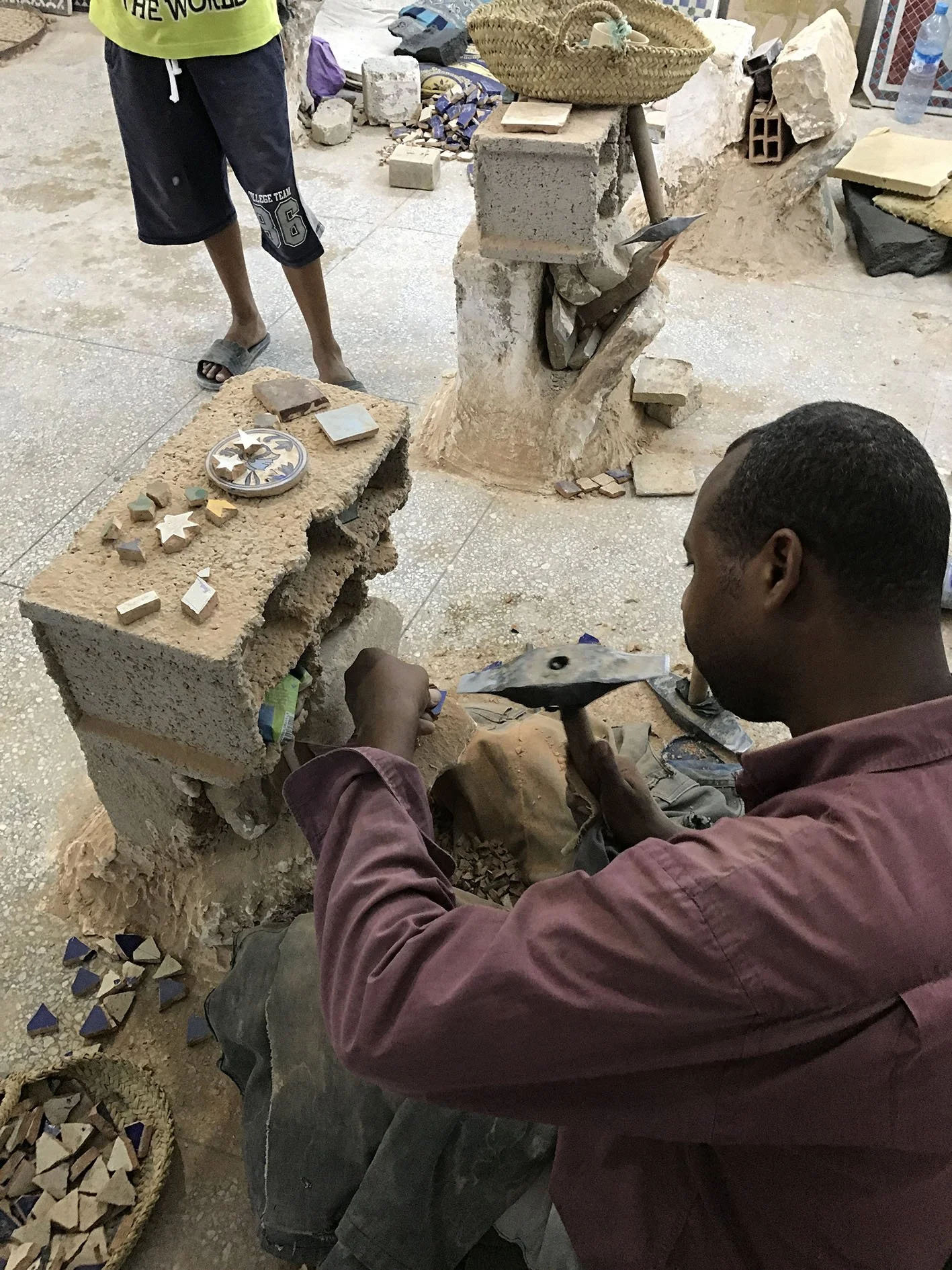
Fez pottery, recognizable by its distinctive blue color, has also been passed down from generation to generation. We offer our guests tours of workshops where they can watch the pottery being thrown on the wheel, fired in traditional kilns, and then painstakingly painted with a fine brush—a craft that requires years of training before one can master the most complex designs.
Bookbinders and Leatherwork
Just a few alleys away from the house, a bookbinder carries on the art of traditional Moroccan bookbinding, a legacy of the great manuscript tradition associated with Al-Quaraouiyine University. Hand-tanned leather, gold leaf gilding, invisible stitching: a rare craft, now practiced by only a handful of artisans in Fez.
Herbalists and Knowledge of Plants
Although less well known to visitors, the tradition of herbalism plays a central role in daily life in the medina. Spices, medicinal plants, clay, and floral waters: the herbalists of Fez preserve a deep understanding of traditional uses, ranging from cooking to body care and ancient pharmacopoeia. We work with a herbalist who has long been based near the souk, whose workshop is a treasure trove of this folk science passed down orally for centuries. It’s an experience we increasingly recommend to our guests who are curious to explore beyond the monuments—and a world we plan to delve deeper into with new projects in the coming months.
Why These Meetings Matter
These artisans don’t work for the cameras. Many have neither a storefront nor a sign, and their workshops don’t appear on Google Maps. That’s precisely why we love taking our guests there: these are human encounters first and foremost, rather than mere tourist visits, and they tell the story of Fez better than any museum.
Our Practical Tips
Please check with us before booking an “organized” workshop tour: we know the artisans directly, with no middlemen or commissions.
Take the time to watch before asking questions—many artisans work in silence and appreciate it when people respect their concentration.
Buying directly from the artisan, rather than in a store, ensures that the artisan is paid a fair wage and that you receive an authentic piece.
Some workshops are only open in the morning: talk to your host when you arrive to plan your itinerary.
Dar 7 Louyat is at the heart of this artisanal community, just two minutes from Seffarine Square and the main workshops in the medina. It is here that you’ll meet the artisans who have been shaping Fez for centuries.
→ Book your stay at dar7louyat.com
What to See and Do in Fez in 3 Days: Our Itinerary Starting from Dar 7 Louyat
What to Do in Fez in 3 Days? Check out our complete itinerary starting from Dar 7 Louyat, in the heart of the medina: sights, artisans, cuisine, and insider tips.
Introduction
Fez is one of Morocco's most fascinating cities, yet many travelers don't know where to start. The medina—a UNESCO World Heritage Site—is a labyrinth of 9,000 narrow streets where every turn holds a surprise. From Dar 7 Louyat, nestled just a stone’s throw from Seffarine Square and the Al-Quaraouiyine Mosque, you’re right in the heart of it all. Here’s our three-day itinerary so you don’t miss a thing.
Day 1: Soak up the atmosphere of the medina
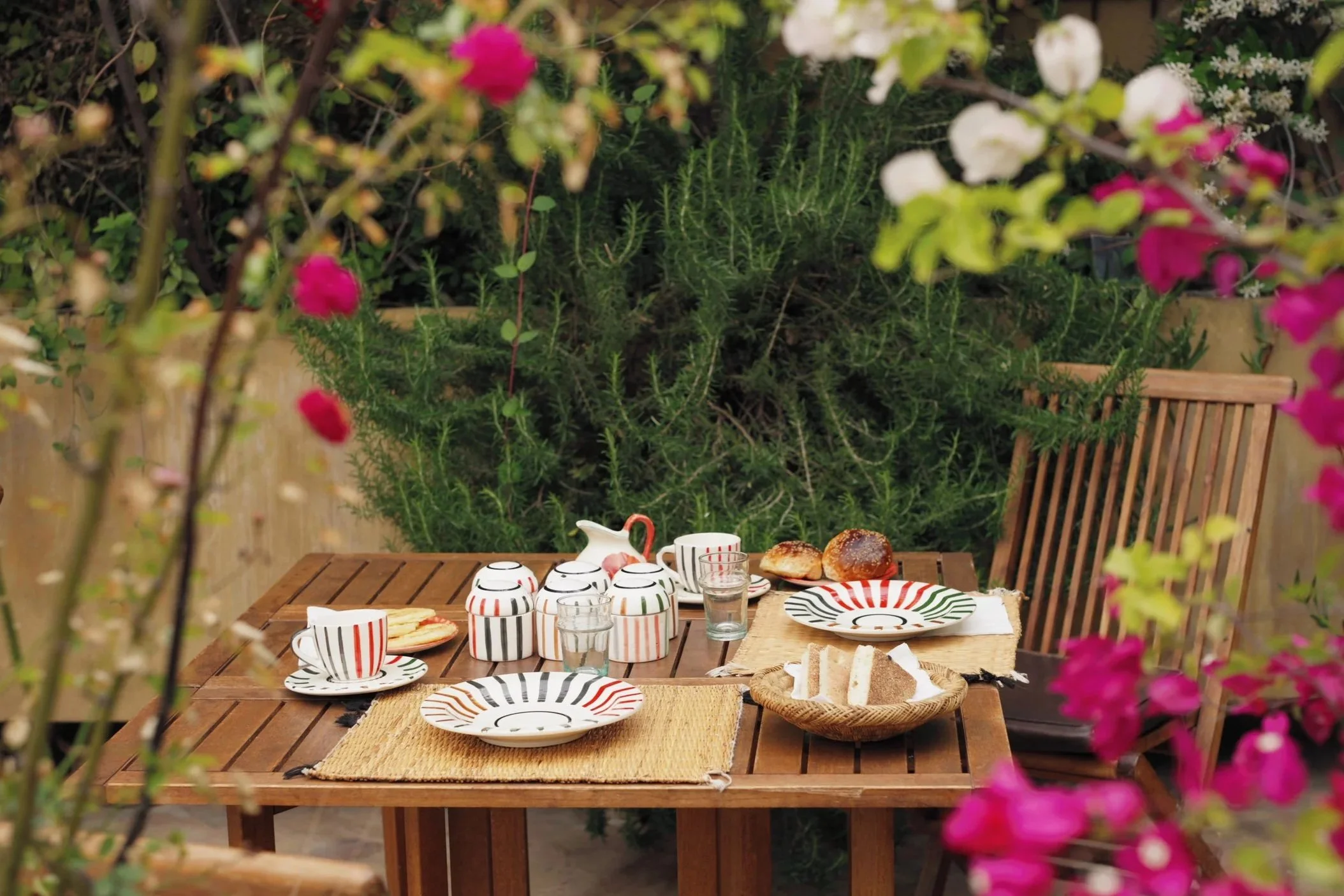
Start your day off right with the breakfast included with your room—warm msemen, local honey, and mint tea on the terrace. Take advantage of the cool morning air to explore Seffarine Square, just a two-minute walk away: copper smiths have been working with copper there for centuries, their rhythmic clanging a sound that is part of the city’s soul.
Next, head to Nejjarine Square and its restored fondouk, then take a detour to the Chouara tanneries—ask your host for the best vantage point to view them from the terraces of the leather goods shops.
In the afternoon, lose yourself in the spice and henna souk, then return home to rest before dinner. Dar 7 Louyat can prepare a meal for you on site, in the finest tradition of Fassi cuisine.
Day 2: Culture and Craftsmanship
The morning is the perfect time to visit the Bou Inania Madrasa, a masterpiece of Merinid architecture that is open to non-Muslims. Its zellige tiles and mashrabiya screens offer a glimpse into the sophistication of medieval Fes craftsmanship.
In the afternoon, join our cooking class: with Ayoub or one of our cooks, you’ll learn how to prepare a traditional tagine or couscous using ingredients purchased that very morning at the souk. It’s an experience that our guests often describe as the highlight of their stay.
In the evening, head up to the terrace at sunset. The view of the minarets and rooftops of the medina, with the call to prayer echoing in the air, is a moment you’ll never forget.
Day 3: Excursions and Artisans
Day three can unfold in two ways. If you’d like to stay in the medina, you can stroll around and explore the many workshops of remarkable artisans: weavers, potters, coppersmiths… These encounters, off the beaten path, are at the heart of our approach to hospitality.
If you'd prefer to get out of the city, we organize excursions to Volubilis (the Roman ruins, 1 hour and 30 minutes away), the Middle Atlas Mountains, or the nearby Berber villages. Each itinerary is tailored to your preferences and the time you have available.
Our Practical Tips
• Book directly on our website to get the best rates.
• Wear comfortable shoes: the alleys of the medina are cobblestone and sometimes sloped.
• Avoid the unofficial “guides” at the entrance to the medina—ask us instead; we know the right people.
• Download an offline map of the medina (Maps.me or Google Maps offline): cell service is unreliable in some of the narrow streets.
Dar 7 Louyat is a two-minute walk from Seffarine Square, the Al-Quaraouiyine Mosque (the world’s oldest university), and the tanneries. It is from here that you will experience Fez in a whole new way.
→ Book your stay at dar7louyat.com


3oubour: A River Between Mountains
3oubour, A River Between Mountains invites artists to critically consider the concept of technical knowledge and innovation, not just as something which always has to be 'new', but also as existing within the realm of inherited and locally bound practices that go back several centuries, and how these revelations could illuminate ways of being.
Across two locations, the project includes a residency and exhibition in Fez, as well as an exhibition in the UK thereafter.
This project is co-produced by The Arab British Centre, A.MAL Projects and Takafes, with the support of British Council Morocco, Henry Moore Foundation, Artsadmin, and Freelands Foundation. In partnership with Crafts Council.
Dar 7 Louyat is delighted to welcome the artists in residence on this occasion.


Timelessfez stories
Our commitment lies in revealing the most fascinating historical insights into the rich heritage of Fez.

Walking with Ibn Arabi: Tracing the Invisible in the Streets of Fez (Click the picture)

Ballade vers Dar 7 Louyat - Take a stroll to Dar 7 Louyat
We invite you on a stroll through the heart of the Fez medina. Through its narrow streets, souks, and unique buildings, discover the architecture of Fez, the cradle of Islamic art, a medina filled with treasures.
After your discoveries, our terrace will offer you the peace and quiet you deserve.
We invite you for a stroll through the heart of Fes Medina. Wander through its alleys, souks, and unique buildings, and discover the architecture of Fes, the cradle of Islamic art, a medina full of treasures.
After your discoveries, our terrace will offer you the tranquility and rest you deserve.
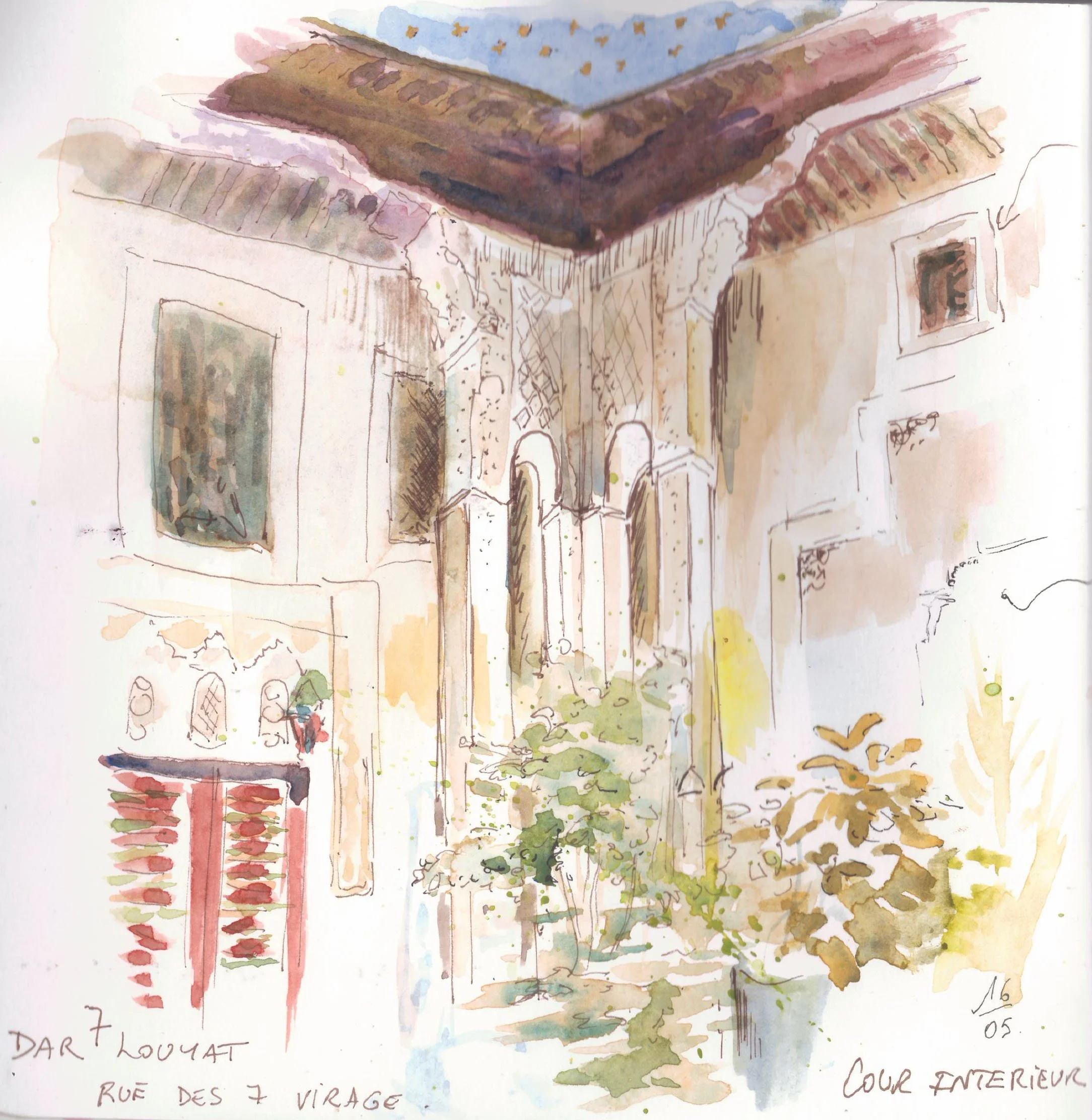
The beautiful drawings and watercolors that our guests left us (click here, click here!)
Thank you Myriam, Dominique and Nathalie!


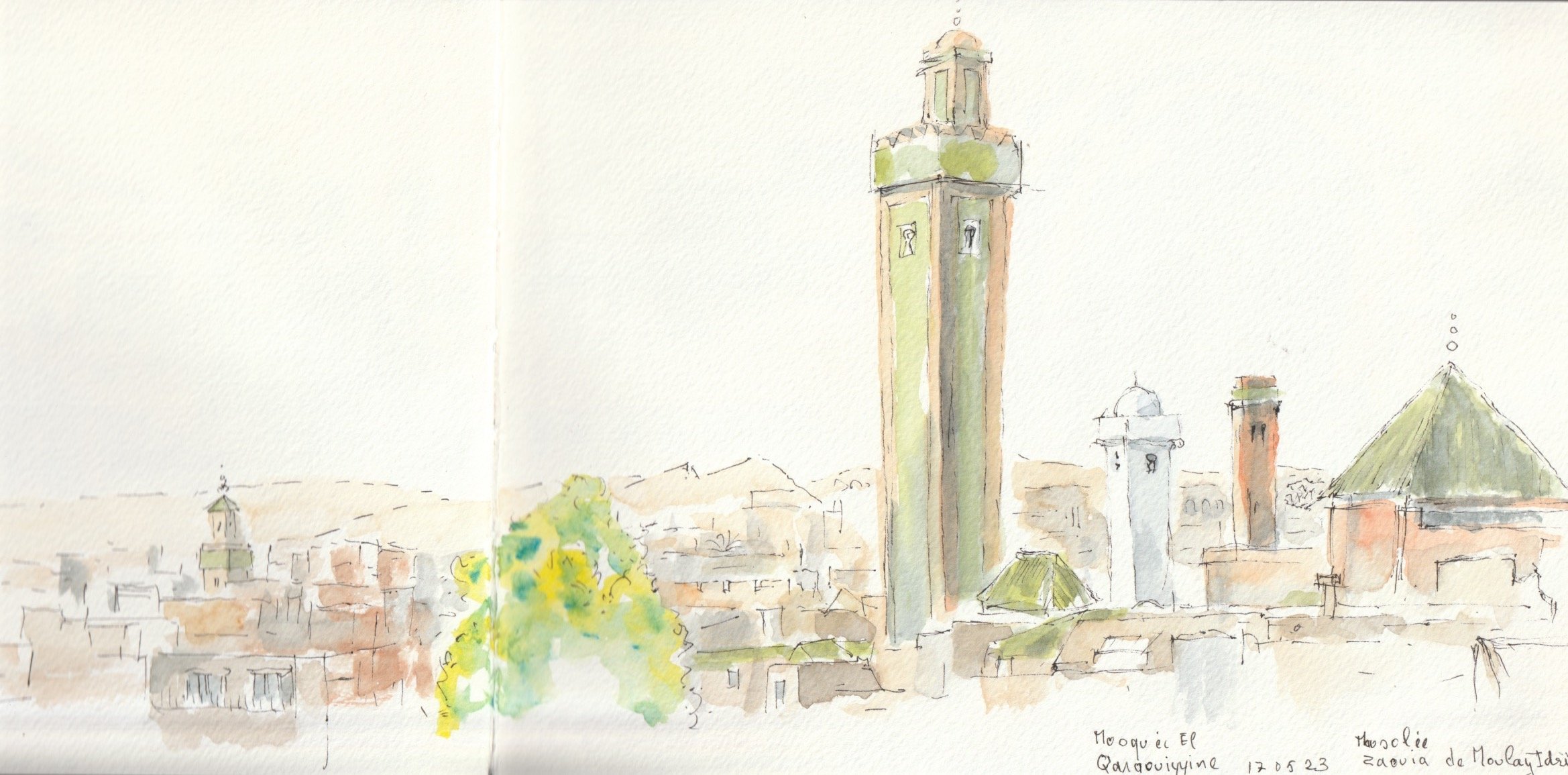


The Anou Cooperative's Store
The workshop
A solidarity economy initiative that allows artisans to benefit from 100% of their work income.
A cooperative that allows artisans to sell their work directly to the customers and ensure the artisan community to keep 100% of what is paid by the purchaser.
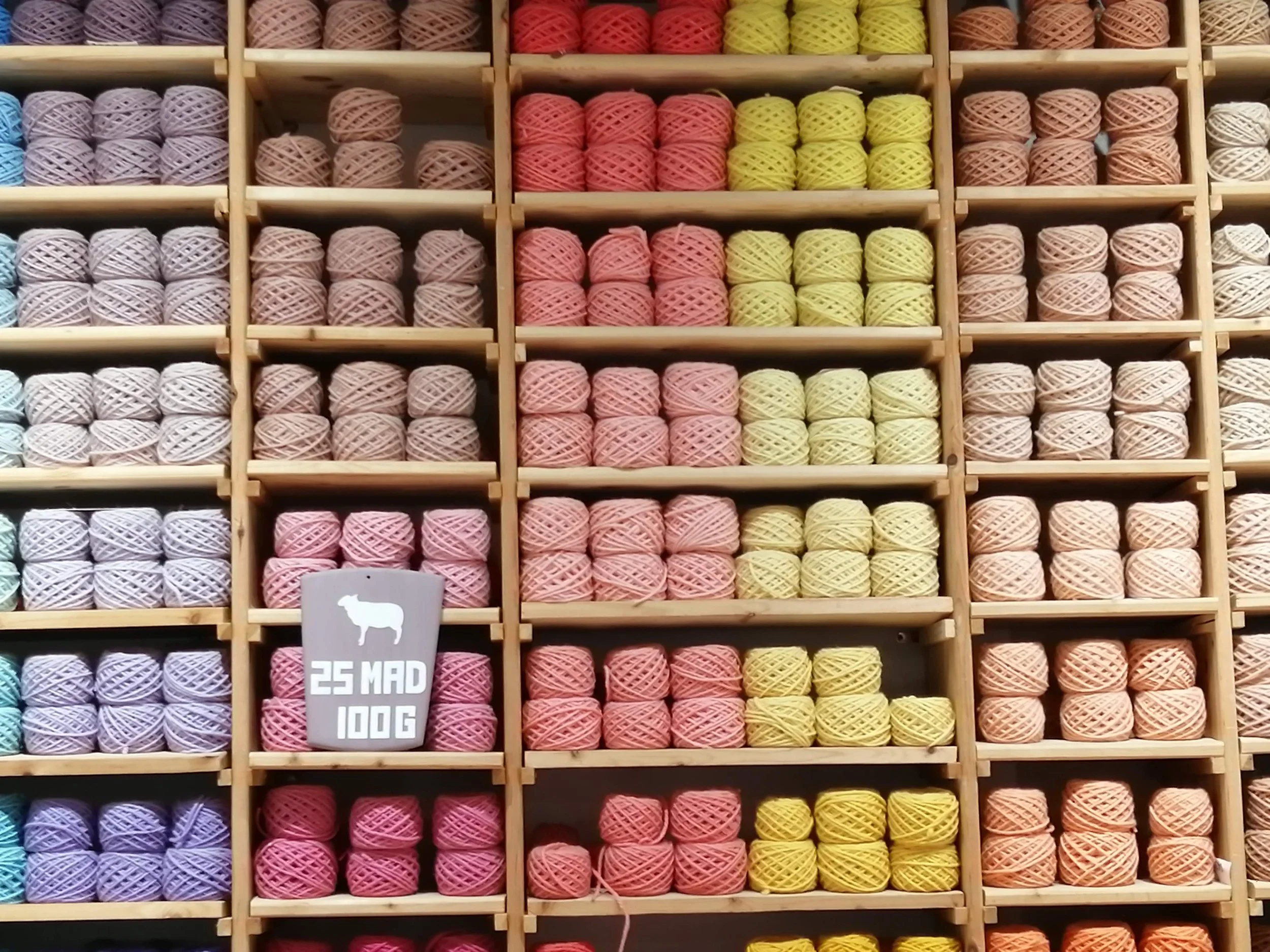

5 Reasons to stay and visit FEZ in Morocco
1. Fez is the heart of artisanal beauty in Morocco
Crafts are one of the most beautiful attractions of this Moroccan destination. Plan a stop at the henna souk. Apart from the traders who offer henna in all its forms, you will also discover rustic pottery. Outside the medina, the district of potters is also worth a visit. The trays of copper and bronze are other objects that are found especially on the Seffarine square. Dar 7 louyat is also a Riad that was built and renovated with the help of many local artisans and our visitors confirmed that!
2. Fez is a city that hosts one of the oldest universities in the Word (Guess what? Dar 7 Louyat is just a few minutes away from it)
The oldest degree granting university – and still in operation – in the world is something to see. Even more interesting, this school and mosque was founded, funded and built by a woman – Fatima al-Fihri. The mosque portion is not open to non-Muslims but there is an entryway that you can look into. Recently the library (the oldest in the world!) connected to the university was restored and is open to the public.
3. Never forget to greet the founder of Fez
Another must-see architectural wonder in Fes Medina is the Moulay Idriss Mausoleum. Have a peek inside and you'll see the familiar gorgeous and detailed tile work as seen throughout the old city. It contains the tomb of Idris II the founder of the city of Fez, however only Muslims are allowed inside.
4. Fez is an ancient melting pot of many cultures
In the newer section of the old town, Fes el-Jedid, the old Jewish Quarter (or mellah , as it's known locally) includes streets lined with large, crumbling houses and vibrant marketplaces. Don't miss the tranquil Jewish cemetery, or the 17th-century Ibn Danan Synagogue. The mellah dates back to the 14th century, when it was established as a refuge for the city's Jews to protect them from Arab attacks in recognition of their importance to the local economy. Initially a place of wealth and status, the Quarter eventually became little better than a European ghetto. Of the 250,000 Jews who once lived here, only a handful remain and have since relocated to the Ville Nouvelle area.
5. Visit Dar 7 Louyat
There are many more things to see in Fez, but we recommend to come and see at least once Dar 7 Louyat that is the closest house to the Seffarine Square, University Al Quaraouyine, The tanneries and many more monuments. It is an old 15th century authentic house that was renovated with detailed attention to the Moroccan identity and Fassi culture, at Dar 7 Louyat we host many passionate guests. Enough talking YOU SHOUD COME AND SEE BY YOURSELF!